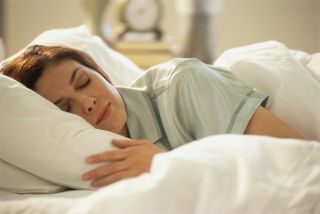
Which Bird Are You?

Early Bird Or Night Owl?

Saturday, July 11, 2015

Sleep is Important


Make yourself an electronic curfew, 1 hour before lights out.

Try keeping your room a cool 68-72 degrees for better sleep.

Remember everything you do, you do better with a good nights sleep. Don't take it for granted. 
Dr. Michael Breus
@thesleepdoctor

Michael J. Breus, Ph.D., is a Clinical Psychologist and a Diplomate of the American Board of Sleep Medicine.


Sleep Foundation

@sleepfoundation

Helping America sleep better! Sharing info about the importance and benefits of sleep. Visit our new lifestyle pub,, today!
 Washington DC

 Joined March 2008


Jasper the Wolverine

Uploaded on Feb 27, 2012
America the Wild: Wolverine King : SUN MAR 11 at 9P et/pt : http://animals.nationalgeographic.com...

Casey spends time with Jasper, an orphaned wolverine raised by humans, to prepare him for a meet-and-greet in the wild.


Cognitive Behavioral Therapy of Insomnia


An effective treatment for insomnia.

Post published by John Cline Ph.D. on Aug 17, 2008 in Sleepless in America


Sleeping medication, under the right conditions, can be helpful for insomnia but there are potential problems. When you are dependant on sleeping medication, episodes of rebound insomnia occur when you stop taking it. Side effects such as feeling "hung over" in the morning are common and alarming effects such as sleep walking and even sleep driving are well known.

While sleeping medication is big business, research has shown that the most effective treatment for insomnia is actually cognitive behavioral therapy. This approach to psychotherapy was originally pioneered by such leading researchers as Albert Ellis and Aaron Beck. Beck's outstanding research, theoretical formulation and clinical techniques were first published in a series of significant books and articles in the 1960's and 1970's. 

Further research since the publication of the breakthrough "Cognitive Therapy of Depression" in 1979 has shown the utility and effectiveness of this treatment approach with numerous psychological and physical disorders including anxiety, chronic pain and insomnia.

The most important aspect of cognitive behavior therapy (CBT) for insomnia is that it actually treats the cause of the insomnia itself - and not just the symptoms as medication does. Furthermore, CBT can be combined with medication management for patients who need rapid relief or to help initially break a pattern of insomnia.

CBT works because the primary cause of insomnia is over-arousal or a "too active" awake system in the brain. By helping reduce the arousal associated with the stressors that cause and maintain insomnia, normal sleep can be restored.

CBT helps reduce worry, anxiety, and fear that one won't sleep by providing accurate information about sleep. For example, recognizing that you may be getting more sleep than you think (due to misperceiving lighter stages of sleep as wakefulness) and understanding that you may need less sleep than you thought, can reduce anxiety about not getting enough sleep and paradoxically lead to being able to relax and sleep better. For example, the minimum amount of sleep  necessary to maintain alertness in most people is 5.5 hours. This is known as "core sleep" and is less than what most people need (link is external) to feel fully refreshed but may be adequate for normal functioning. 

Cognitive techniques help people identify, challenge and replace negative, inaccurate sleep thoughts with accurate, positive sleep thoughts. Negative sleep thoughts can occur during the night ("I won't be able to function tomorrow if I don't get to sleep soon") as well as during the day ("I got an awful night of sleep last night so I will have a terrible day at work today"). 

Positive sleep thoughts are used to counteract the negative thoughts with more accurate information ("I am not sleeping well tonight but I have had many other nights like this and have been able to function reasonably well at work anyway"). Cognitive techniques help reduce stress and allow better sleep.

Many behavioral techniques are used as part of this therapy. With sleep restriction and sleep scheduling the amount of time in bed is reduced to be closer to the amount of actual sleep the person is getting and regular sleep and wake times are maintained. 

If someone is usually sleeping an average of 6 hours a night but is spending 8 hours in bed, the recommendation will be to reduce time in bed to about 6.5 hours. This decreases the unpleasant sense of being awake in bed at night. 

By increasing the amount of time out of bed (and therefore not in light sleep that is misperceived as wakefulness), sleep drive is increased thus helping the person more rapidly enter into a deeper sleep. 

Other techniques include avoiding daytime naps (which decrease night time drive to sleep), stimulus control, sleep hygiene, and stress management. Stimulus control is based on classical conditioning effects in which long periods of being awake in bed result in association learning such that getting into bed results in the expected response of being alert and awake. 

To extinguish this response the following instructions are given: after subjectively being awake for 20 to 30 minutes, get out of bed and go to a quiet, comfortable place and relax until drowsiness occurs. At that time go back to bed. If another 20 to 30 minutes go by without falling asleep, repeat the process, doing so as many times as necessary. In time the automatic alertness is extinguished and the conditioned arousal associated with the bed is eliminated. 

Sleep hygiene involves the use of guidelines to create the best conditions and environment for sleep. An example would be avoiding caffeine later in the day. Stress management might include setting up a "buffer zone" of about an hour for winding down and relaxing before going to bed.

CBT has been tested in a number of well controlled research studies and has been found to be an effective treatment for insomnia. Of significance, a course of CBT may not only continue to have positive outcomes 12 months after completion of the program but also the effect can continue to improve long after treatment. This is because patients continue to practice the techniques and so experience further improvement with time. 

With consistent use of these methods it is possible to get a good, natural night of sleep. No pills, no dependency, no side effects- just wonderful, refreshing sleep.


Link: https://www.psychologytoday.com/blog/sleepless-in-america/200808/cognitive-behavioral-therapy-insomnia


Circadian Rhythm


What is the Circadian Rhythm?

Often referred to as the "body clock", the circadian rhythm is a 24-hour cycle that tells our bodies when to sleep and regulates many other physiological processes. This internal body clock is affected by environmental cues, like sunlight and temperature. When one's circadian rhythm is disrupted, sleeping and eating patterns can run amok. A growing body of research is examining the adverse health effects a disrupted circadian rhythm can have, like increasing the chances of cardiovascualr events, obesity, and a correlation with neurological problems like depression and bipolar disorder.


Your Sleep Cycle

Blue Light Hazardous to Sleep


Blue Light Hazardous to Sleep, but Helpful While Awake

Artificial light is a hazard to sleep, but beneficial to daytime function.
Post published by Michael J Breus Ph.D. on Mar 19, 2014 in Sleep Newzzz

We’re continuing to learn more about the stimulating effects of blue wavelength light and its capacity to disrupt sleep. Exposure to artificial light at night is recognized(link is external) as a hazard to sleep, contributing to rising rates of disrupted and disordered sleep. Different wavelengths of light have been shown to affect human physiology and sleep cycles in different ways. Blue light, a short-wavelength light, has been singled out(link is external) as more significantly disruptive to sleep than other colors on the light spectrum(link is external). Research has shown blue light delays release(link is external) of the sleep hormone melatonin, disrupts(link is external) circadian rhythms, and may influence negative changes(link is external) to mood. 
In our pursuit of energy efficiency, we’re finding ourselves exposed to greater amounts of blue light than ever before. High-efficiency light bulbs, as well as digital devices including smartphones, tablets, and computers, emit high concentrations(link is external) of blue light. Blue light appears to be uniquely detrimental to our sleep. But can it also be singularly beneficial during to our waking lives? 
A new study further examines(link is external) the stimulating effects of blue wavelength light, focusing on the effects of daytime exposure to the short-wavelength light. Researchers at Boston’s Brigham and Women’s Hospital and Philadelphia’s Thomas Jefferson University investigated(link is external) the effects on alertness and cognitiveperformance from prolonged daytime exposure to blue light. They also compared the daytime effects of blue light exposure to the effects of evening exposure to the same degree of light. Their findings confirm that blue light at night stimulates alertness and diminishes feelings of drowsiness, interfering with sleep. Exposure to blue light during the day, however, results in a similar, more welcome boost to alertness and reduction to fatigue, which stand to benefit both daytime function and nighttime rest. 
The study included 16 healthy young adult men and women. To evaluate the impact of blue light in the day and evening, researchers compared the stimulating effects of blue wavelength light to green wavelength light. Participants were exposed to equal amounts of blue light or green light for a period of 6.5 hours in the middle of a 16.5-hour waking day. Researchers measured fatigue, alertness, and performance using ratings from participants themselves, as well as tests to measure attention, response, and reaction times. Researchers also measured brain activity during periods of light exposure using EEG. Their results indicate that across all measures, extended exposure to blue light during both day and night significantly increased alertness:
  • People exposed to blue light during the day reported less sleepiness than those exposed to green light during the same daytime period.
  • People exposed to daytime blue light displayed quicker reaction times, higher levels of alertness, and greater attention spans in performance tests, compared to people exposed to green light.
  • EEG tests showed alterations to brain activity that indicated heightened alertness among people exposed to blue light during the day. 
The nighttime effects of blue light exposure were also significantly more potent than green light exposure, in ways that are disruptive to sleep: 
  • People exposed to blue light at night reported feeling significantly less sleepy than those exposed to green light in the evening hours.
  • EEG results showed heightened alertness among people exposed to blue light in the evening.
  • People exposed to blue light at night scored higher on attention and reaction performance tests than people exposed to green light during the same period.
  • Overall alertness among people exposed to blue light at night was nearly as high as daytime levels of alertness. 
These results suggest that blue light spurs alertness and reduces sleepiness in ways that are detrimental to sleep at night but may be beneficial during waking hours, in improving daytime performance and reducing daytime fatigue. What’s more, this boost in daytime alertness and decrease in sleepiness may actually help improve sleep at bedtime. Most of the research into the effects of blue light has focused on its capacity to disrupt sleep. This is one of the first studies to explore the possible benefits of blue light to daytime functioning. There is limited earlier research that supports these current results, including a 2008 study conducted in the United Kingdom. Office workers who were exposed(link is external) to blue light in the morning experienced both a reduction to daytime sleepiness and improvements to the quality of their nighttime sleep, according to the results of that investigation. 
These current finding also indicate that blue light hinders sleep in ways beyond the delayed release of melatonin, and alteration to circadian rhythms. Exposure to blue light at night spurs cognitive function and alertness in ways very similar to daytime stimulation, a change that can make sleep significantly more difficult to achieve. 
Exposure to artificial light at night—especially to the high concentrations of blue light coming from digital devices—will interfere with the ability to sleep. Too often, these devices find their way into our bedrooms(link is external), in many instances even to be used as alarm clocks. The presence of artificial light from devices like smartphones and tablets in the bedroom poses a challenge to the darkness(link is external) that is so important to normal circadian rhythm function. This nighttime light intrusion also stimulates alertness and brain activity that is counterproductive to the mind and body’s natural pull(link is external) toward sleep. 
We’re at the relative beginning of our understanding of how different forms of light affect sleep and health—and how light might be manipulated not only to protect(link is external) sleep but also toenhance(link is external) waking performance. With new technologies appearing to help provide effective lighting during the day and provide solutions for the effect of light’s interference before sleep, these issues only stand to grow in importance. As we continue to explore the effects of exposure to different forms of light, we may find that blue light poses both problems andsolutions for sleep. 


Guided Relaxation (like Jon Kabat - Zinn meditation)
http://www.thesleepdoctor.com/downloads/02BodyRelaxation.mp3
  1. Jon Kabat-Zinn
    Professor
  2. Jon Kabat-Zinn is Professor of Medicine Emeritus and creator of the Stress Reduction Clinic and the Center for Mindfulness in Medicine, Health Care, and Society at the University of Massachusetts Medical School. Wikipedia
Sweet Dreams,
Michael J. Breus, PhD
The Sleep Doctor™
www.thesleepdoctor.com

Dr. Michael Breus

@thesleepdoctor

Board Certified Sleep Specialist, author and expert. Providing information, guidance, & real solutions for a better night's !
 United States
 Joined February 2009

How Smartphones Keep You Awake - Reactions

Published on May 19, 2014
Your smartphone addiction isn't helping you sleep. In fact, an obscure chemical reaction may be keeping you awake. The latest Reactions video looks at the process that connects your late-night texts to your lack of sleep.

Your smartphone, tablet and other devices emit large quantities of blue light wavelengths. This tells your body "wake up!" when you should be getting ready to sleep. Your body gets that signal through melanopsin, a protein that hangs out behind your eye and undergoes a chemical change that in turn signals your body's master clock.

So turn off the phone long before you go to bed. It'll be there in the morning.

Thanks to Brian Zoltowski of Southern Methodist University.

Find us on all these places:
Subscribe! http://bit.ly/ACSReactions
Facebook! http://facebook.com/ACSReactions
Twitter! http://twitter.com/ACSReactions


Friday, July 10, 2015

How artificial light is wrecking your sleep, and what to do about it

How artificial light is wrecking your sleep, and what to do about it

insomnia“A good laugh and a long sleep are the best cures in the doctor’s book.” – Irish Proverb
The evidence for the health benefits of adequate, restful sleep is overwhelming. Decades of research has shown that sleeping between 7 and 9 hours per night can relieve stress, reduce the risk of many chronic diseases, improve memory and cognitive function, and may even help with weight loss. (1) As many of us know by now, getting adequate, high-quality sleep is one of the most important, yet under-appreciated steps you can take to improve your overall health and wellbeing.
Yet for all we know about the benefits of sleep, there are millions of Americans who are still suffering from disordered sleep and insomnia. 35% of Americans report getting less than 7 hours of sleep per night, and 63% of Americans say their sleep needs are not being met during the week. (2, 3) The negative effects of sleep deprivation are serious: sleep durations that are consistently shorter than 7 hours in a 24-hour period are associated with cardiovascular disease and diabetes risk factors, depression, automobile and workplace accidents, learning and memory problems, and an overall increase in mortality. (4) Some may argue that poor sleep can even undo the benefits of a healthy diet and exercise routine. (5, 6)
Could using electronics at night ruin your sleep and increase your risk of death and disease?Tweet This
So what’s causing this epidemic of sleep disruption in our country? Many experts feel that our excessive use of communications technology (e.g. cell phones, laptops, television, etc.) is driving this significant level of sleep deprivation. If this is the case, it’s no wonder so many Americans struggle with poor sleep, since 95% have reported using some type of electronics at least a few nights a week within the hour before bed. (7) Checking email, watching your favorite late-night comedian, or responding to a text message in bed seems harmless enough, but the sleep disruption caused by these light emitting devices is significant and potentially harmful to your health.
Research has demonstrated that nighttime light exposure suppresses the production of melatonin, the major hormone secreted by the pineal gland that controls sleep and wake cycles. (8) Therefore, a reduction in melatonin at night is associated with subjective levels of sleeplessness. (9, 10) But melatonin suppression has far worse consequences than simply poor sleep outcomes: it has also been shown to increase the risk of cancer, impair immune system function, and possibly lead to cardiometabolic consequences such as type 2 diabetes, metabolic syndrome, obesity, and heart disease. (11, 12, 13) With serious consequences like these, preventing melatonin suppression should be a top priority in anyone’s healthy lifestyle.

Blue light and melatonin suppression


It is well established that short-wavelength or “blue” light is the most melatonin-suppressive; this is the type of light typically emitted by devices such as televisions, computer screens, and cellphones. (14, 15) To produce white light, these electronic devices must emit light at short wavelengths, close to the peak sensitivity of melatonin suppression. (16) This means that products such as tablets, smartphones, and other devices with self-luminous electronic displays are major sources for suppressing melatonin at night, thereby reducing sleep duration and disrupting sleep. (Figure credit: Wood et al, 2013)
Melatonin graph
Along with blue light emitted from electronic devices, research has shown that being exposed to normal levels of room lighting can have similar negative effects on melatonin. One study showed that one hour of moderately bright light exposure (1000 lux) was sufficient to suppress nocturnal melatonin to daytime levels. (17) Since melatonin suppression is intensity dependent, researchers suggest that lower intensities can have similar suppression effects at longer durations; for example, two hours at 500 lux would have a similar effect as one hour at 1000 lux. (For examples of lux values, check out this helpful chart.) This means that typical room light alone can have a similar suppressing effect on melatonin secretion as the light from backlit screens. (18)

How to prevent melatonin disruption (without tossing your iPhone)


Since it is predominantly the blue wavelength that is most affective in melatonin suppression, it stands to reason that blocking this wavelength of light should be enough to significantly reduce, or even eliminate the melatonin-suppressing effects of nighttime light exposure. (19) In fact, blocking blue light has been shown in several studies to be extremely effective in reducing the melatonin-suppressing effects of intense and/or blue light. (20, 21)
There are a few possible solutions for reducing your exposure to blue light at night. One that is commonly used in the ancestral health community is a program called f.lux, a program that makes the color of your computer’s display adapt to the time of day, warm at night and like sunlight during the day. This program can be installed on computers, iPads, and iPhones, and may have a significant effect on your melatonin secretion when using these devices at night. The best part about this program is that it turns on automatically in response to the daylight in your particular time zone, so there’s no need to remember any adjustments to the screen.
A better option, in my opinion, is to use amber-lensed goggles once the sun has gone down. These blue-blocking lenses are highly effective in reducing the effects of blue light exposure, and in most cases completely eliminate the short-wavelength radiation necessary for nocturnal melatonin suppression. (22, 23, 24) These goggles have been shown to improve sleep quality as well as mood, simply by blocking blue light and simulating physiologic darkness.
The main reason I recommend using these goggles is because normal room light alone is enough to suppress melatonin at night, and unless you’re shutting off all the lights in your house when the sun sets, you’re still at risk for disrupting your melatonin-driven circadian rhythms. (25) While f.lux is a useful tool for your backlit devices, it’s nearly impossible to address all sources of melatonin-suppressing light in today’s world of modern technology and late-night work and entertainment habits. Amber-colored goggles are one of the only tools available to completely eliminate all blue light exposure at night, without ‘going off the grid’ and powering down your entire house after 7 PM.
There are two excellent (and cheap!) options for amber-lensed goggles on Amazon.com. The cheapest and most popular option is the Uvex brand, but if you wear eyeglasses you’ll need to get a wraparound pair like the Solar Shield brand. I’ve had many patients swear by these goggles, and if you can get over the dorkiness factor, you may find they make a big difference in your sleep quality, and perhaps even your general health and well-being as well.
Have you ever used amber-lensed goggles, or f.lux, to improve your sleep quality? Share your experience in the comments below.
Note: I may earn a small commission if you use the links in this article to purchase any products or programs I mentioned. I only recommend products I would use myself or that I use with patients in my practice. Your purchase helps support this site and my ongoing research.